Buy czechcasting.eu ?
We are moving the project
czechcasting.eu .
Are you interested in purchasing the domain
czechcasting.eu ?
domain@kv-gmbh.de · 0541-91531010
Buy czechcasting.eu ?
How much can I earn as an amateur erotic model?
As an amateur erotic model, your earnings can vary widely depending on factors such as your level of experience, the platform you use to sell your content, and the size of your audience. Some amateur erotic models may earn a few hundred dollars per month, while others with a larger following and more experience can earn thousands of dollars. It's important to consider the potential risks and legal implications of this type of work, and to ensure that you are comfortable with the level of exposure that comes with it. **
What are the differences between electrical energy, electrical charge, and electrical voltage?
Electrical energy is the ability to do work through the movement of electric charges. It is measured in joules and is the result of the movement of electrical charges through a conductor. Electrical charge is a fundamental property of matter, and it can be positive or negative. It is measured in coulombs and is the source of electrical energy. Electrical voltage, on the other hand, is the potential difference between two points in an electrical circuit. It is measured in volts and is the driving force that pushes electrical charges through a circuit. **
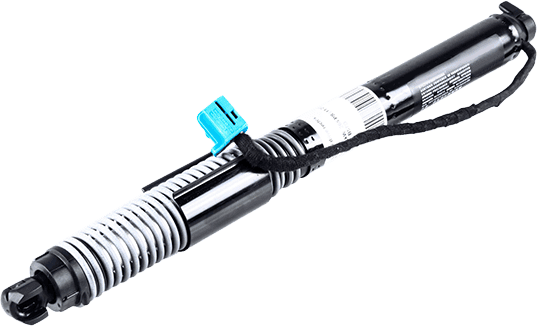

Similar search terms for Electrical
Top-Angebote
Products related to Electrical:
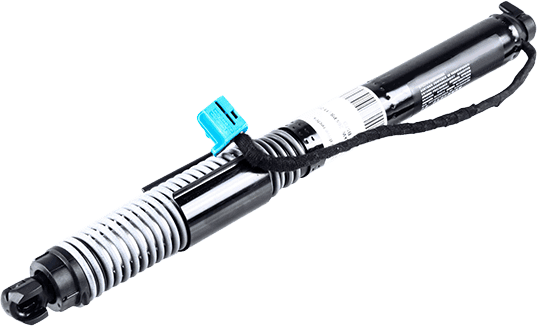
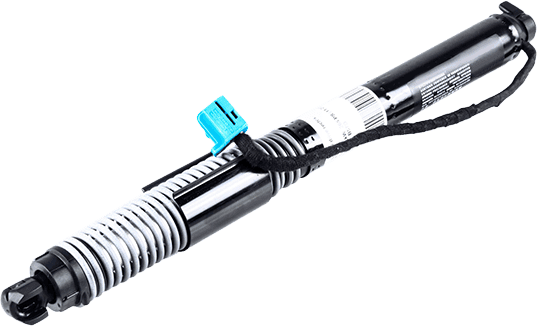


-
What are electrical quantities in an electrical circuit?
Electrical quantities in an electrical circuit are the measurable properties that describe the behavior of electricity flowing through the circuit. These quantities include voltage, current, resistance, and power. Voltage is the electrical potential difference between two points in the circuit, while current is the flow of electric charge through the circuit. Resistance is the opposition to the flow of current, and power is the rate at which electrical energy is transferred in the circuit. Understanding and measuring these electrical quantities is essential for analyzing and designing electrical circuits. **
-
How are electrical sparks created from an electrical outlet?
Electrical sparks from an electrical outlet are typically created when there is a sudden flow of electricity between two conductors with a significant difference in electrical potential. This can occur due to a short circuit, damaged wiring, or a loose connection. When the electricity jumps across the gap between the conductors, it ionizes the air, creating a visible spark. Sparks can be dangerous as they can cause fires or electrical shocks, so it is important to address any issues with electrical outlets promptly. **
-
Is the electrical circuit in the model construction correct or faulty?
The electrical circuit in the model construction is correct. All the components are connected in a series circuit, with the battery providing power to the motor and the switch controlling the flow of electricity. The circuit is complete and allows for the motor to be powered on and off as desired. Therefore, the electrical circuit in the model construction is not faulty. **
-
How is the electrical conduction described in the crystal lattice model?
In the crystal lattice model, electrical conduction is described as the movement of charged particles, typically electrons, through the lattice structure of the material. The lattice is made up of positively charged ions and the movement of electrons within this lattice allows for the flow of electrical current. The ability of a material to conduct electricity is determined by the arrangement of atoms in the lattice and the availability of free electrons for conduction. In conductive materials, such as metals, the electrons are free to move throughout the lattice, while in insulating materials, such as ceramics, the electrons are tightly bound to their atoms and cannot move easily. **
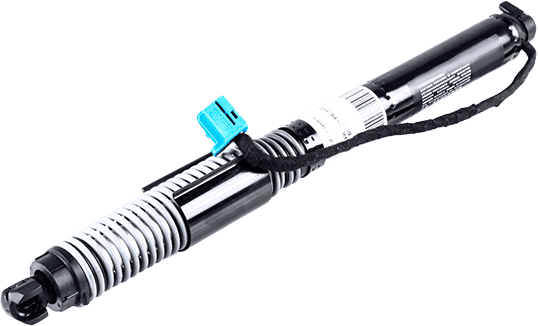

Which electrical cables?
The term "electrical cables" refers to the insulated conductors used to carry electricity from one point to another. These cables can be used in various applications, such as in residential wiring, industrial machinery, power distribution, and telecommunications. There are different types of electrical cables, including power cables, control cables, communication cables, and specialty cables designed for specific purposes. The choice of electrical cables depends on factors such as the voltage, current, environmental conditions, and the specific requirements of the application. **
What is the difference between electrical power and electrical work?
Electrical power is the rate at which electrical energy is transferred by an electric circuit. It is measured in watts and represents the amount of energy consumed or produced per unit of time. On the other hand, electrical work is the amount of energy transferred by an electric circuit over a period of time. It is measured in joules and represents the total energy consumed or produced by the circuit. In summary, electrical power is the rate of energy transfer, while electrical work is the total amount of energy transferred. **
Top-Angebote
Products related to Electrical:
-
How much can I earn as an amateur erotic model?
As an amateur erotic model, your earnings can vary widely depending on factors such as your level of experience, the platform you use to sell your content, and the size of your audience. Some amateur erotic models may earn a few hundred dollars per month, while others with a larger following and more experience can earn thousands of dollars. It's important to consider the potential risks and legal implications of this type of work, and to ensure that you are comfortable with the level of exposure that comes with it. **
-
What are the differences between electrical energy, electrical charge, and electrical voltage?
Electrical energy is the ability to do work through the movement of electric charges. It is measured in joules and is the result of the movement of electrical charges through a conductor. Electrical charge is a fundamental property of matter, and it can be positive or negative. It is measured in coulombs and is the source of electrical energy. Electrical voltage, on the other hand, is the potential difference between two points in an electrical circuit. It is measured in volts and is the driving force that pushes electrical charges through a circuit. **
-
What are electrical quantities in an electrical circuit?
Electrical quantities in an electrical circuit are the measurable properties that describe the behavior of electricity flowing through the circuit. These quantities include voltage, current, resistance, and power. Voltage is the electrical potential difference between two points in the circuit, while current is the flow of electric charge through the circuit. Resistance is the opposition to the flow of current, and power is the rate at which electrical energy is transferred in the circuit. Understanding and measuring these electrical quantities is essential for analyzing and designing electrical circuits. **
-
How are electrical sparks created from an electrical outlet?
Electrical sparks from an electrical outlet are typically created when there is a sudden flow of electricity between two conductors with a significant difference in electrical potential. This can occur due to a short circuit, damaged wiring, or a loose connection. When the electricity jumps across the gap between the conductors, it ionizes the air, creating a visible spark. Sparks can be dangerous as they can cause fires or electrical shocks, so it is important to address any issues with electrical outlets promptly. **
Similar search terms for Electrical
-
Is the electrical circuit in the model construction correct or faulty?
The electrical circuit in the model construction is correct. All the components are connected in a series circuit, with the battery providing power to the motor and the switch controlling the flow of electricity. The circuit is complete and allows for the motor to be powered on and off as desired. Therefore, the electrical circuit in the model construction is not faulty. **
-
How is the electrical conduction described in the crystal lattice model?
In the crystal lattice model, electrical conduction is described as the movement of charged particles, typically electrons, through the lattice structure of the material. The lattice is made up of positively charged ions and the movement of electrons within this lattice allows for the flow of electrical current. The ability of a material to conduct electricity is determined by the arrangement of atoms in the lattice and the availability of free electrons for conduction. In conductive materials, such as metals, the electrons are free to move throughout the lattice, while in insulating materials, such as ceramics, the electrons are tightly bound to their atoms and cannot move easily. **
-
Which electrical cables?
The term "electrical cables" refers to the insulated conductors used to carry electricity from one point to another. These cables can be used in various applications, such as in residential wiring, industrial machinery, power distribution, and telecommunications. There are different types of electrical cables, including power cables, control cables, communication cables, and specialty cables designed for specific purposes. The choice of electrical cables depends on factors such as the voltage, current, environmental conditions, and the specific requirements of the application. **
-
What is the difference between electrical power and electrical work?
Electrical power is the rate at which electrical energy is transferred by an electric circuit. It is measured in watts and represents the amount of energy consumed or produced per unit of time. On the other hand, electrical work is the amount of energy transferred by an electric circuit over a period of time. It is measured in joules and represents the total energy consumed or produced by the circuit. In summary, electrical power is the rate of energy transfer, while electrical work is the total amount of energy transferred. **
* All prices are inclusive of VAT and, if applicable, plus shipping costs. The offer information is based on the details provided by the respective shop and is updated through automated processes. Real-time updates do not occur, so deviations can occur in individual cases. ** Note: Parts of this content were created by AI.